
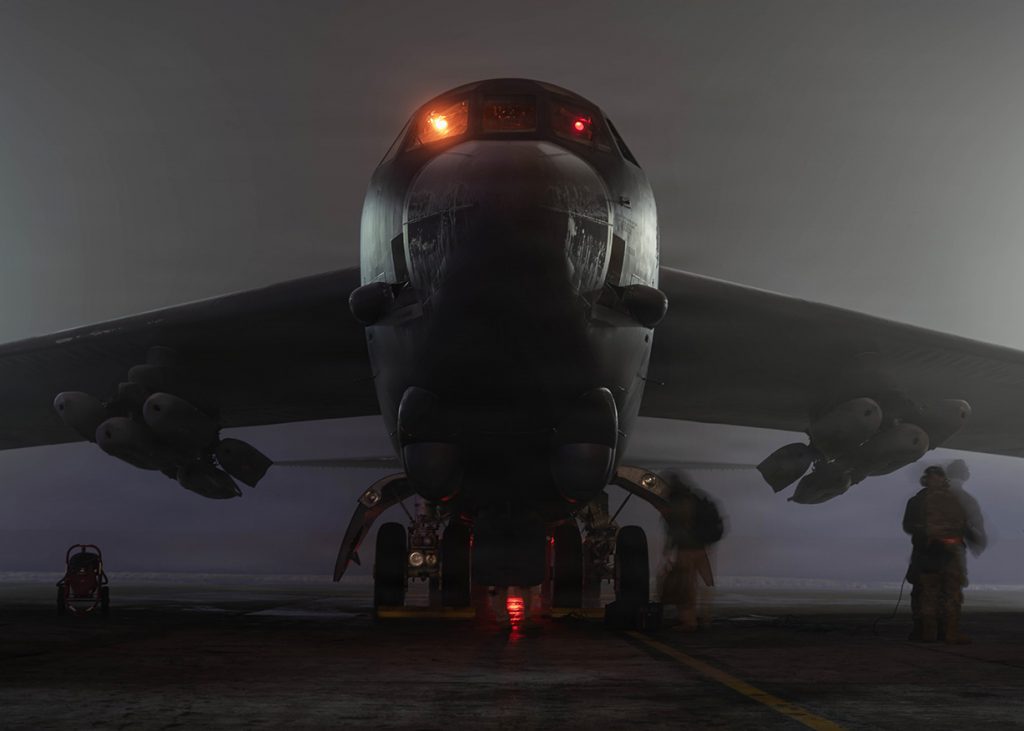
As you sit sipping your reconstituted coffee, perhaps munching on microwaved mashed potatoes, OK, I know that no one does, but for the sake of my analogy, take a break from good taste and logic. Did you realise that they were gifts from the gods of war?
War, what is it good for? Well, and in a bit like the “what did the Romans do for us?” speech from “Monty Python’s Life of Brian”, aside from the pointless slaughter and the near collapse of the class system, it’s been an enormous catalyst for change and technical innovation.
So, aside from the Cavity Magnetron, cling film, canned food, instant coffee, Penicillin, Sanitary Pads, Duct Tape, the Jet engine, GPS and the internet, what has war ever done for us? That’s not absolutely nothing.
Not only is war an engine for change, but it also accelerates the pace of that change, all well and good when it brings you tinned peaches and corned beef and package tours to Benidorm, but it also lets slip the laws of unintended consequences.
Who could imagine that the horrors of trench warfare in the First World War would also tear the heart of a nation from its bosom, as its aristocracy in the form of the officer class went over the top, pistol in hand, to face that other great wartime innovation, the machine gun.
Nor could they foresee that necessity would force the establishment to open up commissions to the middle and working classes in the form of the condescending term of “Temporary gentlemen”.
Thankfully, the establishment never did manage to get that genie back in the bottle, and the social change those demobbed officers brought to a nation helped, albeit temporarily, level the playing field of the class war. Thank God for unintended consequences.
The same, too, that the monster of total war would bring a world to say never again, and a nation to want better for its children – after all, was that what they were fighting for?
Thus, the unintended consequence of World War two was a socialist landslide and the eviction of Churchill from No. 10. However, it is my great fear that the Third Gulf War might trigger the opposite reaction in the form of a populist-right landslide.
So, as Netanyahu and Trump attempt to bomb the Iranians back into the Stone Age with their misguided blitz, have they learned nothing from history? Hitler tried to blast Britain into submission, yet instead of fomenting insurrection and fragmenting the population, it did the exact opposite and glued a nation together, for God’s sake, it’s even called the Blitz spirit.
Will they never learn? You can’t shatter a nation’s soul by breaking its windows. But that’s the thing with war, it’s the very definition of insanity doing the same thing over and over and over again, yet expecting a different result.
So here we go again, insane actions from insane leaders who totally misjudged the opposition, who, in thinking that they held all the cards, had failed to grasp that they were sitting at the wrong table. But this is not a game, as Trump seems to think, nor a computer game as Hegseth would have us believe.
As a result of their infantile actions, they are losing the plot and the pace of change, oil prices are spiralling, while gas is exploding. That is not a recipe for disaster but the ingredients for a social catastrophe.
As Milton Friedman, the economist and one of the most misguided and poisonous men in history, a man who made a virtue of dismantling the very institutions that protect ordinary people from exactly this kind of catastrophe, once said:
“Only a crisis – actual or perceived – produces real change. When that crisis occurs, the actions that are taken depend on the ideas that are lying around. That, I believe, is our basic function: to develop alternatives to existing policies, to keep them alive and available until the politically impossible becomes the politically inevitable.”
So if energy prices continue to go in the inevitable direction and the world is plunged into recession, and the UK an even deeper one too. Not only will the politically unacceptable cross from the politically impossible, but it will, without a shadow of doubt, become the politically inevitable.
A deep recession in the UK and the chaos and unrest it will bring will more or less hand Nigel Farage the key to number 10. In fact, if I know him, he’s probably measuring the curtains and asking someone to pay for them as I write. Which brings me back to cheap coffee and mashed potatoes.
I hope you enjoy it, for in Farage’s Britain, it may be all you can afford.
Leave a Reply